| PlantID | 0016 |
| Botanical Name | Chrysanthemum coronarium |
| Common Name | Gulchini |
| Classification | | Kingdom: | Plantae | | Subkingdom: | Tracheobionta | | Division: | Magnoliophyta | | Class: | Magnoliopsida | | Subclass: | Asteridae | | Order: | Asterales | | Family: | Asteraceae | | Genus: | Chrysanthemum | | Species: | coronarium |
|
| Part used | Bark, Root |
| Medicinal Properties | Antioxidantic, toxic(dioxin) |
| Medicinal Use | Extracts have been shown to inhibit growth of Lactobacillus casei, a beneficial human intestinal bacterium. Some toxic (dioxin) properties have also been observed. |
| Chemistry | Protein, Fat, Carbohydrate, Ash, Vitamin B1, Vitamin C, Vitamin A, potassium, antioxidants, dioxin. |
| Cultivation | It grows fairly well when the seeds are sown in the fall(September through November), and in the spring. Ordinary vegetable garden practices of fertilizing, mulching and soil prep |
| Regional Habitat | Desert area of Rajasthan |
| Description | Bushy herbs, densely branching, 40-80cm in height. Leaves are deeply cut, toothed, pale greyiesh green. Many flowered stems, often semi-double. |
| Image | 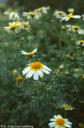 |


