 |
 |
 |
 |
|
 |
|
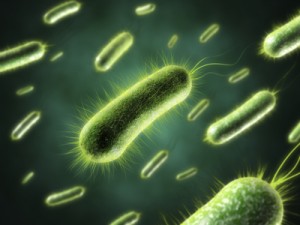
Bacillus cereus |
|||||||||||||||
|
Characteristics
Shape and Size
Rod shaped and 1 x 3-4 µm in size
Genome Information
Bacillus cereus ATCC 14579: RefSeq NC_004722.1, circular DNA, Size 5.41Mb, GC% 35.3. Protein 5210, rRNA 39, tRNA 108, Gene 5473, Pseudogene 16 https://www.ncbi.nlm.nih.gov/genome/?term=Bacillus+cereus
Food Source
plants, eggs, meat, and dairy products
Pathological Factor
Bacillus cereus causes two types of food poisoning in humans results from its production of enterotoxins in the gastrointestinal tract. Virulence factors associated with diarrhoeal syndrome involve three enterotoxins including hemolysin BL (HBL), non-hemolytic enterotoxin (NHE), and cytotoxin K. The main virulence factor of B. cereus is HBL which is made of the three proteins B, L1, and L2. The emetic syndrome is caused by cereulide peptide toxin which is secreted during stationary phase.
Disease
diarrhoeal syndrome and emetic syndrome.
Symptoms
Symptoms of diarrhoeal syndrome include watery diarrhea, abdominal cramps, and pain occurring 6-15 hours after ingestion which may last for twenty-four hours. Symptoms associated with emetic syndrome include nausea and vomiting within half an hour to six hours after ingestion of food and also lasts for about twenty-four hours.
Affected Body Organs
Gastro-intestinal organs
|
||||||||||||||||
|
||||||||||||||||