 |
 |
 |
 |
|
 |
|
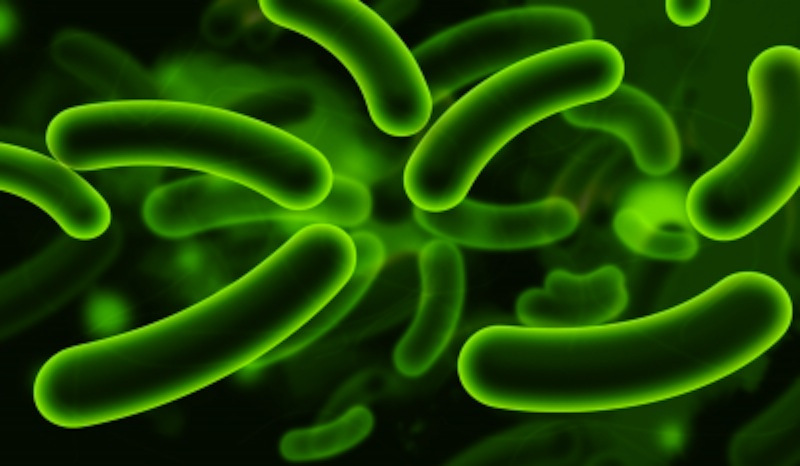
Vibrio fluvialis |
|||||||||||||||
|
Characteristics
Shape and Size
rod shaped
Genome Information
Vibrio fluvialis ASM155841v1, RefSeq NZ_CP014034.1, circular DNA, Size 1.67 Mb, GC% 49.7, Protein 1,513, tRNA 5Gene 1,533, Pseudogene 15 https://www.ncbi.nlm.nih.gov/genome/?term=Vibrio+fluvialis
Food Source
consumption of raw oysters.
Pathological Factor
Hemolysin has been known to be an important virulence factor in the pathogenic processes of many clinical microorganisms, causing hemorrhagic septicemia and diarrhoea. It can lyse erythrocytes and a variety of other cells including mast cells, neutrophiles, and polymorphonuclear cells as well as enhance virulence by causing tissue damage or by dissolving material that would prevent spreading of the pathogen throughout the tissue.
Disease
gastroenteritis, primary septicemia
Symptoms
symptoms can include diarrhea, abdominal cramps, nausea, vomiting, head-aches, chills, and low-grade fever.
Affected Body Organs
stomach and intestines
|
||||||||||||||||
|
||||||||||||||||